
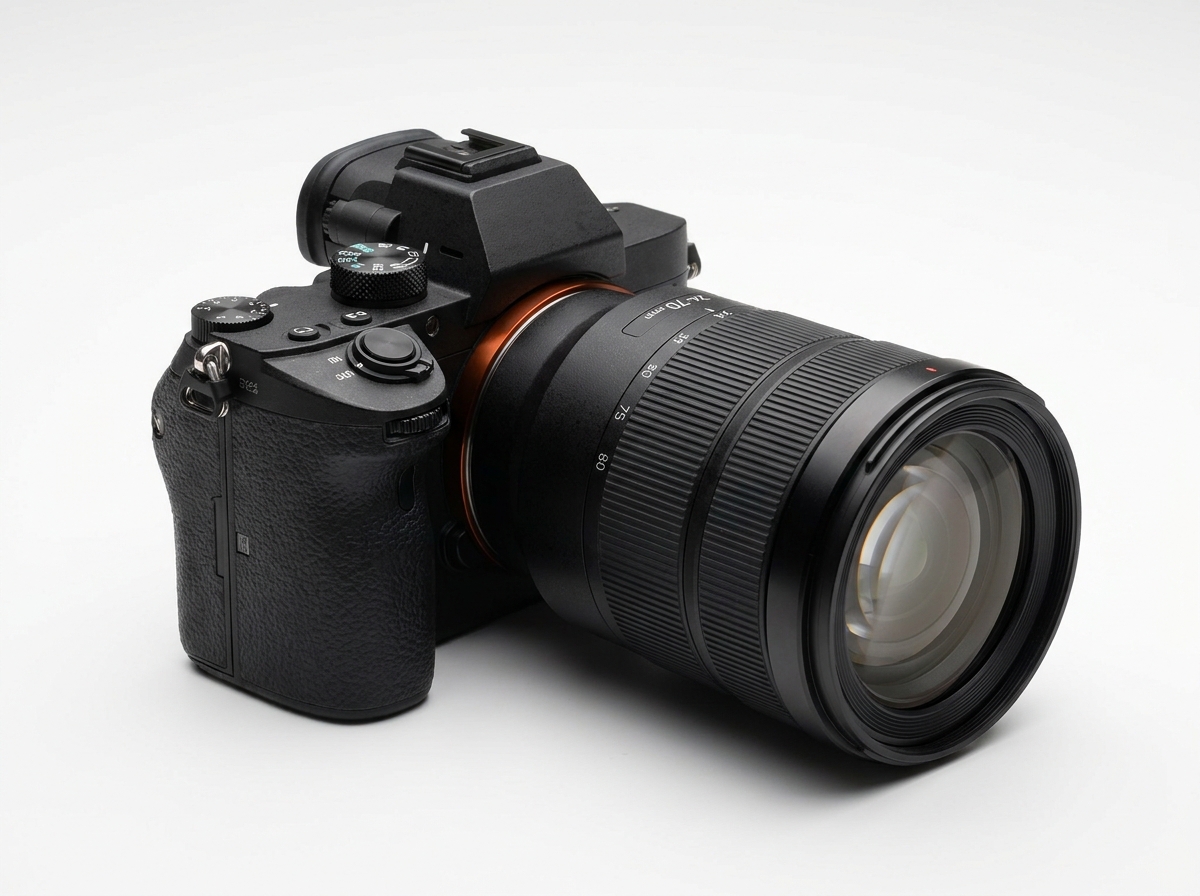
In short
- A used mirrorless camera costs 20-40% less than new, with identical performance, if you choose wisely.
- To get started, a mirrorless with an APS-C sensor between 400 and 800 euros is the perfect choice: excellent quality, manageable weight, mature lens lineup.
- The lens system is an even more important choice than the camera body, because it accompanies you for years.
- The certified shutter count is the difference between a safe purchase and a gamble.
I'm Matteo, and every week at the ReflexMania counter I see the same scene: someone walks in determined to buy their first mirrorless, having read five online reviews, with three models in mind, and asks me, "Which one should I get?" The answer is never immediate, because the right mirrorless isn't the one with the highest ranking — it's the one that fits your way of shooting, your budget, and the lens system you plan to build over the years.
In this guide, I explain how to choose without making mistakes, starting from the concrete criteria we apply every day in the lab when evaluating a camera body before putting it up for sale. No rankings, no affiliates: just the right questions and a few models we currently have in stock to illustrate the points.
Why used is the smart choice
A new mid-range mirrorless camera costs today 1500-2000 euros. The same camera, two years after its release, costs 700-1000 on the used market. The difference does not lie in performance — the sensors and processors from 2022 photograph today exactly as they did then — but in the manufacturers' marketing cycle, which releases a new model every 18-24 months to drive upgrades.
Buying used means entering this cycle from the right side: you pay what the camera is truly worth, not the novelty premium. On our used catalog you will find camera bodies of every range, all serviced and with a 2-year warranty. But even if you buy elsewhere, the selection criteria are the same.
APS-C or Full Frame: the first decision
The difference between an APS-C mirrorless and a Full Frame camera comes down to one number: sensor size. The Full Frame has a 36×24 mm sensor (like 35mm film), while the APS-C is approximately 23×15 mm. It may seem like a minor detail, but it changes everything: camera body weight, lens size and price, high ISO performance, and controllable depth of field.
| Criterion | APS-C | Full Frame |
|---|---|---|
| Body weight | 350-500 g | 600-900 g |
| Lens cost | Affordable | +50-100% |
| High ISO performance | Good up to 6400 | Excellent up to 12800+ |
| Depth of field | Deeper | More controllable |
| Ideal for | Travel, sports, wildlife | Portrait, landscape, professional work |
| Starting budget | 300-650 euros | 600-1100 euros |
The practical rule we follow: if photography is a passion you want to nurture without spending a fortune, start with an APS-C. If you already know you will work in a studio, on set, in difficult light, or if you want to make it a profession, it is worth aiming for Full Frame right from the start. If, on the other hand, you are coming from a DSLR and are considering the switch, we have dedicated an entire article to DSLR vs mirrorless in 2026 and to how to handle the migration without throwing away your lenses.
APS-C: where most of us start
On APS-C, the systems that matter are four: Sony E, Canon RF, Nikon Z, Fujifilm X. To these is added Olympus and Panasonic's Micro 4/3, with an even smaller sensor but extremely compact optics — interesting for travel.
Under 400 euros
Here you will find camera bodies that have made history: perfect machines for learning, featuring solid autofocus and image quality that still holds up against new entry-level models today.
- Sony A6000 — 360 euros. The world's best-selling used mirrorless camera. 24 megapixels, 179-point autofocus, 11 fps. For daytime photography, it is still a small workhorse today. No 4K, but if you don't shoot video, you won't even notice.
- Fujifilm X-T1 — 380 euros. The charm of physical dials, Fujifilm's legendary color rendition, retro design. A camera you will want to carry everywhere.
- Olympus PEN E-PL9 — 300 euros. Tiny and lightweight Micro 4/3, perfect as a second travel camera or as a first one for those who want something non-intimidating.
Between 400 and 800 euros: the perfect choice
This is the range we recommend to 90% of the customers who walk into our store. These are mature cameras, featuring modern autofocus, decent 4K video, refined ergonomics, and a rich lens lineup.
- Sony A6400 — 650 euros. Eye AF among the best in its class, unlimited 4K recording, flip-out screen for vlogging. If you can only choose one, this is the one that never disappoints.
- Sony ZV-E10 — 500 euros. Designed for social media video creators: built-in directional microphone, one-touch background defocus/focus mode, fully articulating screen.
- Nikon Z30 — 450 euros. Nikon's offering for content creators. Compact, 4K video, excellent autofocus, good ergonomics.
- Sony A6100 — 600 euros. Same autofocus as the A6400, slightly simpler ergonomics. Excellent price-performance ratio.
- Sony A6600 — 800 euros. Top-tier Sony APS-C: in-body stabilization, large battery (great for video), weather-sealed.
- Panasonic GH5 — 470 euros. For heavy video users: 4K 60p, V-Log profiles, dual SD card slots, professional build. A small cinema camera.
- Olympus OM-D E-M1 Mark II — 600 euros. 5-axis stabilization among the best in the world, 60 fps, professional ruggedness. Unbeatable for wildlife photography.
Full Frame: the quality leap
Used Full Frame under 1000 euros was unthinkable just a few years ago. Today, some entry-level models from previous generations offer an accessible entry point. The logic is the same as with APS-C, but with a larger sensor, higher weight, and more expensive lenses.
Under 1000 euros
- Canon EOS RP — 600 euros. The most accessible Full Frame on the market. Compact, lightweight (485 g), tilting touchscreen. Perfect for entering the Canon RF system without a huge initial investment.
- Sony A7 Mark II — 550 euros. Integrated stabilization, 24 megapixel Full Frame, vast E-mount lens lineup. A gateway to the Sony system with everything you need.
- Nikon Z5 — 680 euros. Professional build, dual SD card slots, 5-axis stabilization. The most complete entry-level Nikon Z.
- Canon EOS R — 800 euros. First Canon Full Frame mirrorless. 30 megapixels, excellent Dual Pixel autofocus, among the best ergonomics.
Over €1,000: Professional territory
- Sony A7 Mark III — 950 euros. The mirrorless that changed the market. An unbeatable all-rounder: 24 megapixels, dual slots, 693 AF points, exceptional battery life. If you can only have one, this is the perfect candidate.
- Canon EOS R6 — 1150 euros. Stabilization up to 8 stops, animal/eye/vehicle autofocus, 20 fps electronic, 4K 60p. For sports and wildlife photographers.
- Nikon Z6 II — 1150 euros. Dual processor, dual slots (CFexpress + SD), 4K 60p, excellent high ISO performance. Nikon's "all-rounder" of the current generation.
- Sony A6700 — 1150 euros. APS-C but with a latest-generation stacked sensor: 26 megapixels, AI autofocus, 4K 120p. For those who want Full Frame performance in an APS-C body.
The lens system: the most critical decision
When you choose your first mirrorless, you're not just buying a camera body — you're entering an ecosystem. The lenses you'll acquire over the years will only be compatible with that system. Here is a pragmatic overview of the four main systems, based on what we see coming through our shop. For a more in-depth comparison between the three major brands, also read Canon vs Nikon vs Sony: which system to choose.
Sony E-mount
The most mature system, with the largest number of lenses available, both original Sony and third-party (Sigma, Tamron, Samyang offer high-quality alternatives at competitive prices). If you want maximum flexibility and a rich lens park even in the used market, Sony is the safest choice. The downside: used Sony camera bodies hold their value better than others, so you pay a bit more at purchase, but lose less when reselling.
Canon RF
A younger system but growing rapidly. Native RF lenses are of exceptional quality, and with the EF-RF adapter (50-80 euro used) you can use the huge Canon EF DSLR lens lineup. Limitation: Canon does not open RF autofocus to third-party manufacturers, so you are tied to Canon lenses (more expensive).
Nikon Z
The native Z lens lineup is still limited compared to Sony and Canon, but Z lenses are top-tier in quality. With the FTZ adapter, you can use Nikon F lenses (DSLR) with full compatibility, and the used F lens market is one of the richest and most affordable available.
Fujifilm X
APS-C only, but with a very compact and extremely high-quality lens lineup. Fujifilm's color rendition — especially the film simulations — is a recognizable signature. The perfect system for those who love photography as a tactile and thoughtful experience.
The shutter count: the mileage of your camera
This is the section that, in my opinion, is worth the entire article. When you look at a used mirrorless camera, the most important number is not the one on the price tag: it is the shutter count, i.e., how many times the shutter has been actuated. It is the equivalent of a car's mileage.
Mirrorless cameras are less affected by shutter count than DSLRs (as many use an electronic shutter with no mechanical parts), but the data remains important. For reference:
- Under 10,000 shutter count: practically new
- 10,000-30,000: lightly used, no issues
- 30,000-80,000: regularly used, still plenty of life left
- Over 100,000: watch the price, the mechanical shutter may be nearing end of life
On our product pages, you will always find the certified shutter count from our laboratory. For example, a Canon EOS RP currently in stock for 600 euros has 15,000 certified shutter counts: a practically like-new camera. If you buy from a private seller and they do not provide the number (or tell you "I don't remember"), it is a warning sign to take seriously. To learn more, read the 5 most common mistakes when buying used.
Video: is it really necessary?
Practically all mirrorless cameras today can record video. The right question is: how well? If you don't shoot video, don't pay for features you won't use. But if you know you will, here's what to look for:
- 4K 30p is the minimum standard. Below that, don't bother.
- 4K 60p is only necessary if you want fluid slow motion or need flexibility in editing.
- IBIS stabilization in the camera body is gold for handheld shooting. Not all mirrorless cameras have it (the Sony A6400 doesn't, the A6600 does).
- Overheating: some mirrorless cameras lock up after 15-20 minutes of video. If you need to record long interviews, check this.
- Articulated screen (full-articulated) is essential for self-shooting and creative angles.
Three concrete options from our stock
If you'd rather skip the reading and want a direct recommendation, here are three of our picks today, one for each price range:
| Price Range | Model | Why |
|---|---|---|
| €300-400 | Sony A6000 at €360 | The best value-for-money APS-C camera, period. Ideal for learning and serious photography. |
| €500-700 | Sony A6400 at €650 | The definitive APS-C all-rounder: photos, video, vlogging, travel, and portraits. |
| €900-1200 | Sony A7 Mark III at €950 | A working Full Frame camera. If you want a body you won't need to think about for the next 5 years, this is it. |
The checklist to follow before buying
- Certified shutter count — undocumented means risk.
- Sensor test — shot at f/16 on a white background to look for dust or scratches.
- Dials and buttons operation — test every command, every menu item.
- Screen and viewfinder — no dead pixels, no deep scratches.
- Hot shoe and ports — flash, USB, HDMI, microphone if you will use it.
- IBIS stabilization (if present) — when turning on the camera, the sensor must vibrate slightly.
- Warranty — buying without a warranty is gambling. On our used equipment it is always 2 years. To understand how important it is, read why the warranty on used equipment makes a difference.
Frequently asked questions
How much does a used mirrorless camera depreciate over the years?
A mirrorless loses approximately 30-40% of its value in the first two years and 50-60% after five. Lenses retain their value much better: a good lens loses only 20-30% in five years, which is why we always recommend investing more in optics than in the camera body.
Can I use my old DSLR lenses on a mirrorless camera?
Yes, with an adapter. Canon offers the EF-RF (€50-80 used), Nikon the FTZ, and Sony the LA-EA5 for Minolta/Sony A. Original adapters maintain 100% autofocus and electronic aperture. Stabilized Sigma/Tamron lenses function normally.
Is APS-C or Full Frame better as a first mirrorless?
For 90% of beginners, APS-C is the right choice: lens weights and prices are significantly lower, and image quality is excellent for amateur and semi-professional use. Full Frame makes sense if you already know you will work in the studio, on location, or in difficult lighting, or if you plan to make it a profession.
How many shutter count can a mirrorless camera achieve before the shutter fails?
Entry-level mirrorless cameras are tested for approximately 100,000 shutter counts, while professional models are tested for 300,000-500,000. However, many mirrorless cameras use the electronic shutter for the majority of shutter counts, resulting in no mechanical wear. A camera with 50,000 mechanical shutter counts is normally in full health.
Buy a mirrorless from a private seller or a specialized store?
Buying from a private seller saves you €100-200, but you give up the warranty, certification, and right of return. At a specialized shop like ReflexMania, you pay a bit more, but the camera body is inspected, the shutter count is certified, and you have 2-year warranty coverage on any defect. If it is your first mirrorless and you do not know what to check, a specialized shop is almost always the right choice.
Can I trade in my old gear for a used mirrorless camera?
Yes, at ReflexMania we accept trade-ins. Send us photos and a description of your gear, and we will provide a free valuation. If you accept, we will deduct the value directly from the price of the mirrorless camera you wish to purchase. You can read how it works in our guide on selling your used photographic equipment.
When in doubt, talk to us
Choosing your first mirrorless is a decision that stays with you for years. If you still have doubts after reading this far, reach out: we answer everything, including questions like "so what should I get if I mainly take photos of my kids?". We are photographers first, sellers second, and giving the wrong advice to someone who trusts us is not something we do.
Three ways to get in touch with our team:
- Contact form — response within 24 business hours
- WhatsApp at 342 362 3454 (messages only)
- Phone: 071 291 6347 (Mon-Fri 9-13/15-18, Sat 9-13)
And if you want to see what we have in stock right away, explore the used mirrorless cameras available today: every camera is certified, comes with a 2-year warranty, and ships within 24-48h.
Article written by Matteo for the ReflexMania Team. Last updated: May 2026. Prices and availability refer to the time of publication.