
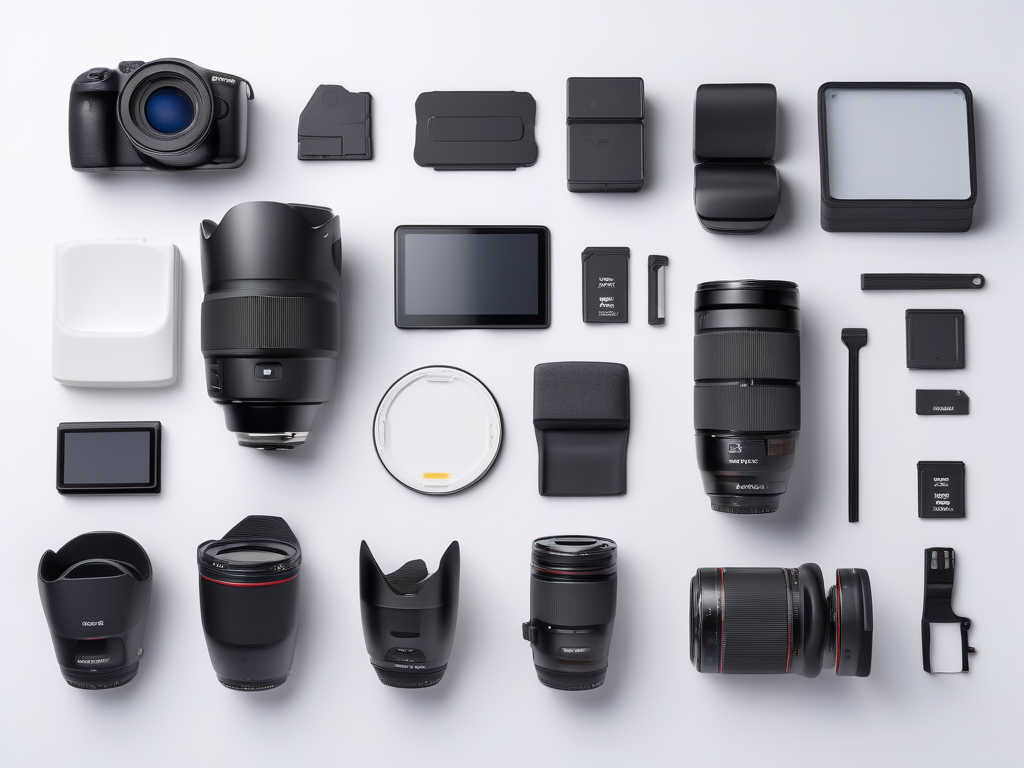
In short
- A DSLR with fewer than 1,000 shutter count on a shutter rated for 100,000 has consumed less than 1% of its mechanical life.
- Under 500 euros, you can find camera bodies like the Nikon D5100 (200 euros), Canon 600D (200 euros), and Nikon D7000 (250 euros) with low and certified shutter count.
- Shutter count matters more than the year of production: a 2011 body with 800 shutter count is mechanically healthier than a 2016 one with 80,000.
- Here, every DSLR goes through our lab: we read the actual shutter count, test the sensor and shutter, and provide a 2-year warranty.
At the counter, I see the same scene every week: someone arrives with a budget of 400-500 euros and asks, "What is the best used DSLR I can get?" The right answer is not a model, it is a data point. And that data point is the shutter count. A DSLR with fewer than a thousand shutter counts is a camera that the first owner bought, used for a wedding or a vacation, and then left in the closet. Mechanically, it is almost like new, but it costs a fraction of the list price.
In this article, I have selected five DSLRs currently in our catalog for under 500 euros, all with a low and certified shutter count. No surprises, no "maybe it has 5,000 shutter counts": we read the shutter count ourselves in our lab before putting them up for sale. I will explain why this number matters, which camera bodies are truly worth the money, and how to choose based on what you photograph.
Why shutter count matters more than the year of production
A DSLR with fewer than 1,000 shutter count on a shutter rated for 100,000 has consumed less than 1% of its mechanical life. This is a fact that completely changes how you read a used camera listing: the year printed on the spec sheet says little, while the shutter count says almost everything.
The shutter is the only component truly subject to wear in a DSLR. The sensor and electronics, barring defects, do not wear out with the shutter count. The mechanical curtain, however, has a finite number of cycles, declared by the manufacturer and verifiable by reading the certified shutter count of the camera body.
How long does a DSLR shutter last
Manufacturers certify shutter lifespan through testing on real samples. Typical figures, by product tier:
- Entry-level DSLR (Nikon D5100, Canon 600D): shutter rated for approximately 100,000 shutter count.
- Semi-pro DSLR (Nikon D7000): approximately 150,000 shutter count, more robust shutter curtain.
In practical terms: a body with 800 shutter count has decades of amateur use ahead of it. Even shooting 5,000 photos a year — a lot for a hobbyist — a 100,000-cycle shutter lasts twenty years before approaching its limit. And the limit is not a wall: it is a statistical average, many shutters go well beyond it.
A 2011 body can be healthier than a 2017 one
This is where the production year myth falls apart. The release date measures the sensor's technological age, not the mechanical condition of the camera body. A concrete example we often see at the counter:
- 2011 Nikon D7000 with 800 shutter count: shutter intact, less than 1% of its lifespan used.
- Recent 2017 body with 60,000 shutter count: more than half of its cycle already consumed.
The older D7000 is mechanically like new, the other is halfway there. That's why a Nikon D7000 we have for 250 euros, with a low shutter count and an integrated AF motor in the camera body, remains a more sensible choice than many newer but heavily used bodies.
We don't just state this data verbally. Every DSLR goes through our lab: we read the actual shutter count from the camera's file, test the shutter and sensor, and only then do we certify the camera body with a 2-year warranty. You can find the production year on the spec sheet, but it is the condition of the shutter that tells you how long it will really last.
The 5 used DSLR models under 500 euros with a low shutter count
Five camera bodies, all under 300 euros, all with shutters rated for at least 100,000 shutter count. When they arrive at our shop with only a few thousand actual shutter count, you are dealing with machines that have used a minimal fraction of their mechanical life. Here are the ones we currently have in stock and who they are really for.
Nikon D5100 — 200 euros, the entry-level that ages well
The Nikon D5100 features the 16MP Sony sensor that defined Nikon's entry-level history: surprisingly high ISO performance for its class, and a vari-angle screen ideal for low-angle shots or video. At 200 euros, it is a serious first step for those moving from smartphones who want to learn RAW shooting without making a bad investment.
Canon 600D — 200 euros, the Canon entry-level standard
The Canon 600D is the camera body from which thousands of photographers started. 18MP sensor, Full HD video, and above all, access to the EF-S ecosystem: you find affordable used lenses for virtually every need. At 200 euros, it is the obvious choice for those who want to grow within the Canon system.
Canon 700D — 250 euros, touchscreen and autofocus in live view
The Canon 700D improves on the 600D where it matters for those who alternate between stills and video: a responsive touchscreen and hybrid autofocus in live view, making footage smoother. At 250 euros, it is the right camera body for those who do not want to choose between a shot and a film.
Nikon D7000 — 250 euros, the semi-pro body at an entry-level price
The Nikon D7000 is the real deal for those who know exactly what they want. Dual SD slots, 39 AF points, partial weather sealing, and — the decisive point — the AF motor built into the camera body. This means you can mount all used AF-D lenses, the most affordable on the market, while retaining autofocus. For 250 euros, you get the performance of a higher-end camera.
Canon 60D — 210 euros, ergonomics and top dial
The Canon 60D shares the sensor of the series but offers a more robust camera body, a tilting screen, and semi-pro controls, with the rear dial that changes the way you work. At 210 euros, it is for those who want a serious grip without increasing the budget.
Choosing between Canon and Nikon is not straightforward and depends primarily on the lenses you intend to buy: if you want to explore the difference with the mirrorless world, read reflex or mirrorless, which to choose in 2026. All camera bodies above come with certified shutter counts: no verbally declared numbers.
Comparison table: price, sensor, and who it's for
Five bodies, five different usage profiles. The table below lays out what you need to decide in thirty seconds: the cost, the sensor, and who it makes sense for. All prices are real, referring to the units we have in our lab as we write this.
| Model | Price | Sensor | Who it's for | Key strength |
|---|---|---|---|---|
| Nikon D5100 | 200 euros | APS-C, 16 MP | Beginners starting from scratch | Articulating screen, excellent high ISO performance for the class |
| Canon 600D | 200 euros | APS-C, 18 MP | First camera body, also for video | Huge EF/EF-S lens ecosystem in the used market |
| Canon 60D | 210 euros | APS-C, 18 MP | Those looking for a more robust body | Rear control dial and build quality superior to the xxxD series |
| Canon 700D | 250 euros | APS-C, 18 MP | Those who shoot and film | Articulating touchscreen and more responsive AF in live view |
| Nikon D7000 | 250 euros | APS-C, 16 MP | Those who want to seriously progress | Built-in AF motor: supports affordable AF-D lenses |
Two things stand out. First: between 200 and 250 euros, the difference is not image quality, but the class of the camera body. A Canon 600D and a Nikon D7000 produce very similar files in good light; everything changes when you start using dials, viewfinder, and burst mode.
The second one: the D7000 is the only one with the autofocus motor in the camera body. This means it performs autofocus even with older Nikon AF-D lenses, which are inexpensive on the used market. On the D5100 and Canon models in the same price range, AF works only with lenses that have an integrated motor.
Megapixels are not the criterion. The jump from 16 to 18 MP is not visible in an A3 print, and it does not solve anything that your shooting style does not address first. The APS-C sensor shared by all five matters more: same 1.5x crop logic (1.6x on Canon), same clean performance up to ISO 1600 without worries. Choose the camera body based on how it feels in your hand, not the number on the spec sheet.
Canon or Nikon? How to choose based on what you shoot
The right question is not "which brand is better", but "which system lets me mount the lenses I need at a price I can afford". Canon and Nikon are equivalent in image quality at this price range. The real difference comes down to two things: how many compatible used lenses you can find and how the camera body focuses them.
The body costs little, the lenses make the difference
A camera body costing 200-250 euros is only half the investment. The lens determines how much light you gather, how much bokeh you achieve, and how much stays in focus in low light. A used 50mm f/1.8 changes your photos more than any upgrade to the body within this price range.
Before settling on a brand, consider the lens lineup you plan to build over the next two years. We have compiled concrete options in the guide Top 10 used prime lenses under 500 euros: use it to understand where your budget truly goes.
AF engine details on Nikon
Here is a technical distinction that changes the cost, and no one tells you this in the store. Some Nikon camera bodies have the autofocus motor integrated, others do not. This matters because older AF and AF-D lenses — often the cheapest on the used market — do not have their own motor: they only focus if the body has one.
- Nikon D7000 (250 euro): features an internal AF motor. It mounts and focuses even affordable AF-D lenses, expanding used lens options within the same budget.
- Nikon D5100 (200 euro): excellent sensor, same as the higher-end body, but no internal motor. With AF-D lenses, focus remains manual.
In practice: if you are targeting the D5100, plan to use it only with AF-S lenses (motor in the lens). If you want to browse the used AF-D primes at low prices, the D7000 opens up a market that remains closed to the D5100. On the Canon side, this issue does not exist — the motor is always in the lens — so the choice there depends solely on the EF/EF-S optics you already have or intend to buy.
What we check in the lab before certifying the shutter count
A shutter count listed in an ad is worthless until someone actually reads it from the camera body. From a private seller, that number is just a verbal claim; here, it is the first piece of data we extract, even before listing the camera. Every DSLR that comes in goes through the workshop bench, and until it has passed the checks, it stays out of the catalog.
The reason is simple: a used DSLR can hide issues that the declared shutter count doesn't reveal. A body with 800 shutter counts featuring a sticking mirror or a dust-covered sensor is not a bargain; it is a repair you take home without knowing it.
Shutter count reading, shutter test and sensor inspection
The process is always the same, model by model. We read the actual shutter count from the internal data of the camera body, not from the EXIF of a file that anyone can modify. Then we fire the camera to verify the mechanics under load, not with a single test click.
- Reading actual shutter count: we extract the shutter count from the camera body using dedicated software and compare it with the declared value. If there is a discrepancy, we flag it.
- Shutter and mirror test: bursts at various speeds to check if the curtains respond cleanly and if the mirror returns to position without hesitation or abnormal noises.
- Sensor inspection: shots on a uniform background at a closed aperture (f/16 or higher) to reveal dust, oil spots, and hot pixels. What is visible gets cleaned; what remains is declared.
- General check: viewfinder, dials, battery slot, mount, and command retention. Details that on a used item make the difference between "works" and "works well".
Only after this cycle does the camera receive its certified shutter count and make it to the display. It means that the number you see in the product listing is the one I read directly from the camera body, not the one I was told.
Every used DSLR comes with a 2-year warranty. It is not a formula: it is the result of us opening, testing, and understanding the camera before selling it. When the remaining mechanical life margin is above 99%, guaranteeing two years is a risk we are happy to take.
Mistakes to avoid when buying a low-shutter-count used DSLR
In the private market, the shutter count is declared verbally, and verbal claims cannot be verified. This happens at our counter every week: a camera body presented as having "under a thousand shutter count," when the actual number is 40,000, or the reverse — a low actual shutter count but a camera that has been sitting in a damp drawer for five years. The number alone does not tell the whole story.
Low shutter count isn't enough: what to look beyond the number
A low shutter count does not compensate for a neglected camera. Before checking the shutter count, inspect the physical condition of the camera body. These are the defects a private seller often fails to mention, which you only discover at home.
- Mold in the viewfinder or on internal lenses: spiderweb-like filaments visible in backlight. It spreads and does not stop on its own.
- Sensor with scratches or permanent spots: different from dust, which can be cleaned. A scratch on the AA filter remains in every shutter count at closed apertures.
- Slow mirror or shutter: irregular shutter counts, dark bands on long exposures. Often found on camera bodies that have been sitting idle for a long time, not on those that have been used.
- Peeling rubber grips and oxidized straps: a sign of humidity and poor storage.
The practical rule is simple: a camera body with 800 shutter count that has been poorly maintained is worth less than one with 20,000 shutter count that has been well maintained. Shutter count measures mechanical wear, not care. Both matter.
When a more affordable DSLR is enough
Honesty before the sale: not everyone needs to spend 250 euros. If you shoot occasionally — a few trips, photos of your kids, first approach to manual mode — an entry-level camera body does exactly the same job for less.
- Canon 1100D at 160 euros: the most affordable model in our catalog. 12 megapixels are more than enough for A3 prints and for learning exposure.
- Canon 1300D at 230 euros: 18 megapixels and a sharper screen, useful if you need extra crop margin. We have 5 units available.
The difference between the two is justified only by more frequent use. For weekend shooting, the 1100D is the rational choice: the 70 euros saved are better invested in a good lens or in essential accessories under 50 euros, which improve your photos more than a few extra megapixels.
Bad advice doesn't lead to happy customers. If your usage is light, a lightweight body is enough — and we tell you that before you open your wallet.
Frequently Asked Questions
What does it mean for a DSLR to have fewer than a thousand shutter count?
This means the shutter has performed fewer than a thousand exposures in its lifetime. On a shutter rated for 100,000 shutter count, this is less than 1% of its life cycle: mechanically, the camera is practically new.
How do I check the actual shutter count of a used DSLR?
The shutter count is read using dedicated software by connecting the camera body: on Nikon models, it is found in the file metadata, while on Canon models, it must be extracted directly from the camera. At ReflexMania, we verify it in our laboratory for every camera body and certify it before sale, so the number is not merely declared verbally.
Is a used Canon or Nikon under 500 euros the better choice?
It depends on the lenses you will use. Both systems have a vast used lens park. The Nikon D7000 has a built-in AF motor and opens up affordable AF-D lenses; Canon has a huge range of low-cost EF-S lenses.
Is a 2011 DSLR with a low shutter count better than a newer, heavily used one?
Almost always yes, mechanically. Shutter and mechanism wear depend on the shutter count, not the year. A 2011 camera body with 800 shutter count has more remaining life than a 2017 one with 60,000 shutter count.
Are these camera bodies under €500 enough to get started for real?
Yes. Models like the Nikon D5100, Canon 600D, or Nikon D7000 have APS-C sensors that are more than sufficient to learn and evolve. The real step up in quality comes from investing in a good prime lens, not the camera body.
What warranty do you offer on used equipment?
We provide a 2-year warranty on all certified used equipment. Every DSLR goes through our workshop for a complete overhaul: shutter count reading, shutter test, sensor inspection, and firing tests.
What are the risks of buying from a private seller instead of us?
Declared and unverified shutter count, sensor with scratches or mold in the viewfinder passed off as perfect, no warranty. A camera body with 'low shutter count' but poorly maintained may be worth less than one that has been carefully used.
Looking for a used DSLR with a certified shutter count and a 2-year warranty?
If you have doubts about a purchase or need advice for your specific case, contact us. We offer free advice because we are photographers first, sellers second, and because a customer who buys the wrong gear stops shooting.
Three ways to get in touch:
- Contact form — response within 24 business hours
- WhatsApp at 342 362 3454 (messages only)
- Phone: 071 291 6347 (Mon-Fri 9-13/15-18, Sat 9-13)
And if you want to see what we have in stock right away, explore the used gear available today: every camera is certified, comes with a 2-year warranty, and ships within 24-48 hours.
Article written by Matteo for the ReflexMania Team. Last updated: June 2026. Prices and availability refer to the time of publication.